
Regulations and laws of the Occupational Health and Safety Act.
According to the Built Environment Decree (BBL), smoke detectors have been mandatory in buildings with a residential function since July 1, 2022. For working environments, based on the Building Code, smoke detectors in escape routes are mandatory, and employers are responsible for establishing an effective fire safety policy. This falls under the Occupational Health and Safety Act and the obligations within the RI&E (Risk Inventory and Evaluation).
Yet in practice, many organizations do not have sufficient visibility into where smoke detectors are hanging, or when they were last checked or replaced.
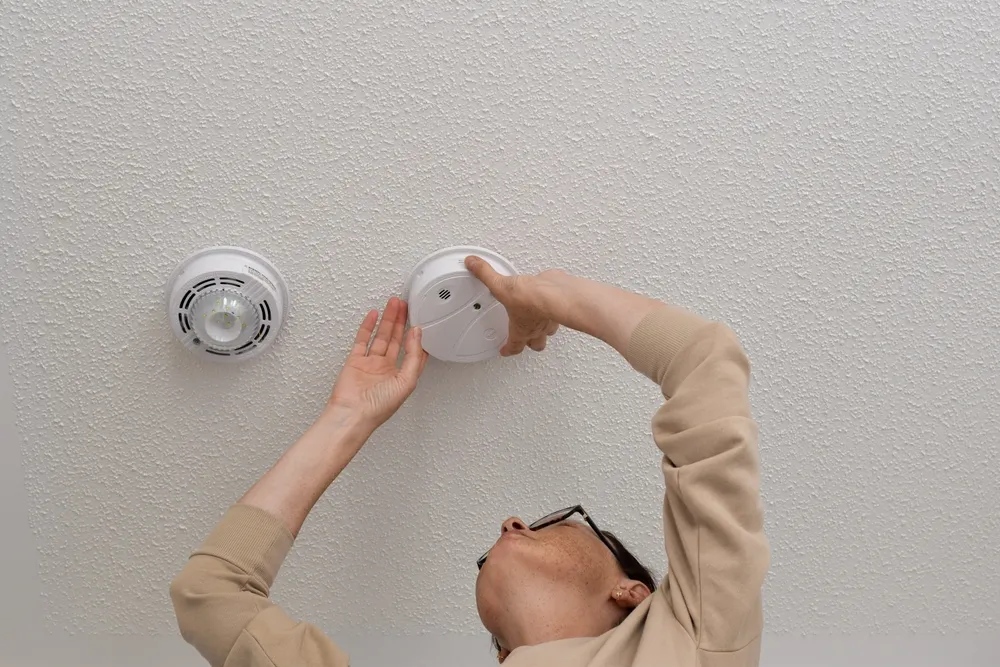
The 10-year replacement: no unnecessary formality
Smoke detectors last an average of 10 years. After that, the sensor ages and the likelihood of malfunction or false alarms increases. Both the Fire Department and manufacturers therefore explicitly recommend replacing smoke detectors, even mains-powered models, after 10 years.
The problem? Many organizations lack a clear registration system. As a result, it is unclear when a detector needs to be replaced and who is responsible for this. This not only leads to unsafe situations, but can also affect liability in the event of a fire.
Practical checklist for those responsible (FAFS, facility management, QHSE)
- Monthly testing of detectors Test each smoke detector manually using the test button. The audible signal should be well audible (at least 75 dB) in all relevant rooms.
- Document who is responsible
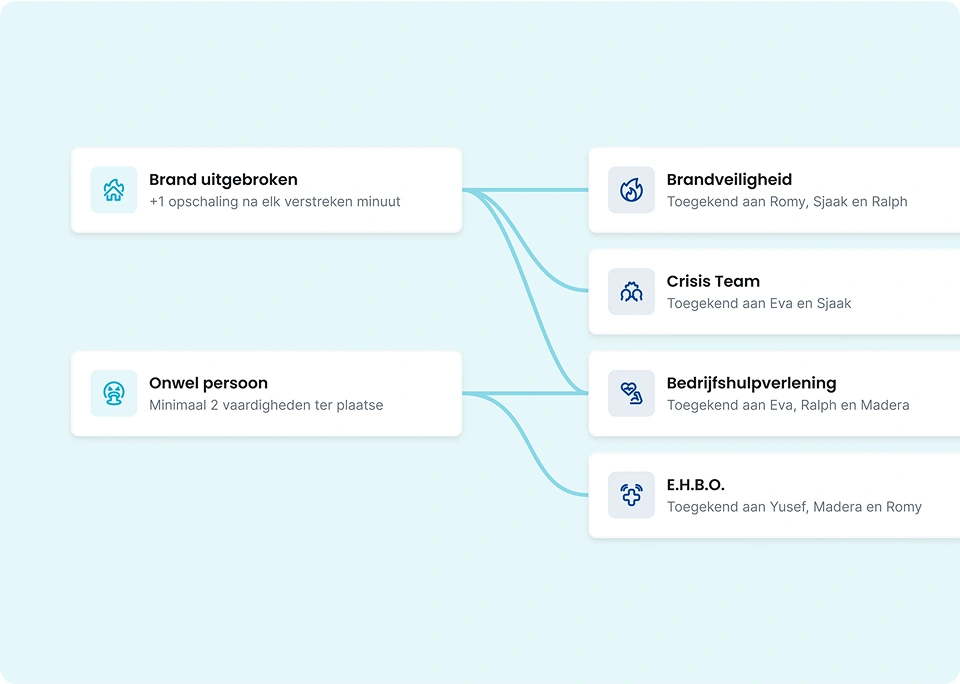
Register the responsible FAFS person(s) in the Findwhere environment. This will automatically send a notification when it is time for a test, maintenance or replacement. - Keep track of replacement dates
Record the installation date of each detector and automatically set a reminder for replacement after 10 years. This prevents detectors from aging unnoticed - Provide registration and evidence
With Findwhere, you record all actions, from tests to replacement moments. Useful for audits or insurance claims.
No smoke detectors, no coverage
In addition to the increased risk of injury or damage, the lack of smoke detectors can lead to the loss of insurance coverage. In addition, the employer may be held liable in the event of an emergency if it is found that inadequate measures were taken.
Structurally settled with Findwhere
Findwhere helps organizations get a grip on their fire safety.With our digital environment, responsible parties can easily:
- Linking detectors to locations
- Assign administrators or FAFS officers
- Set automatic reminders for maintenance or replacement
- Download reports for RI&E or inspections.