What is man-down detection, and why is it essential for lone workers?
MAN-DOWN DETECTION
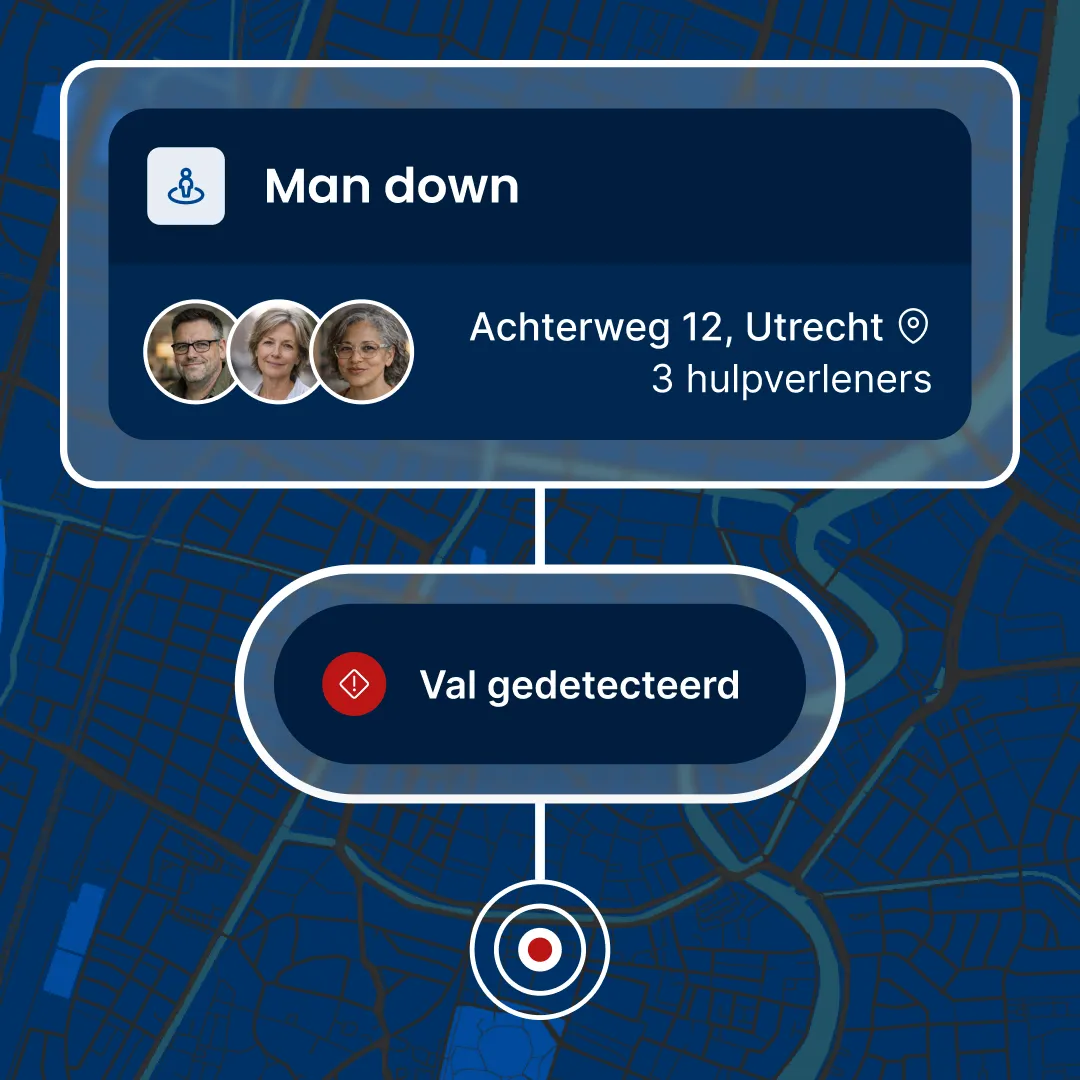
Do employees regularly work alone, in remote locations, or in high-risk conditions? If so, rapid assistance in the event of an accident is literally a matter of life and death. A man-down system is essential in such cases.
Why is man-down detection important?
An employee working alone does not always have colleagues nearby to offer assistance. In the event of a fall, loss of consciousness, or medical emergency, the employee may not even be able to press an emergency button. That is precisely when automatic man-down detection comes to the rescue.
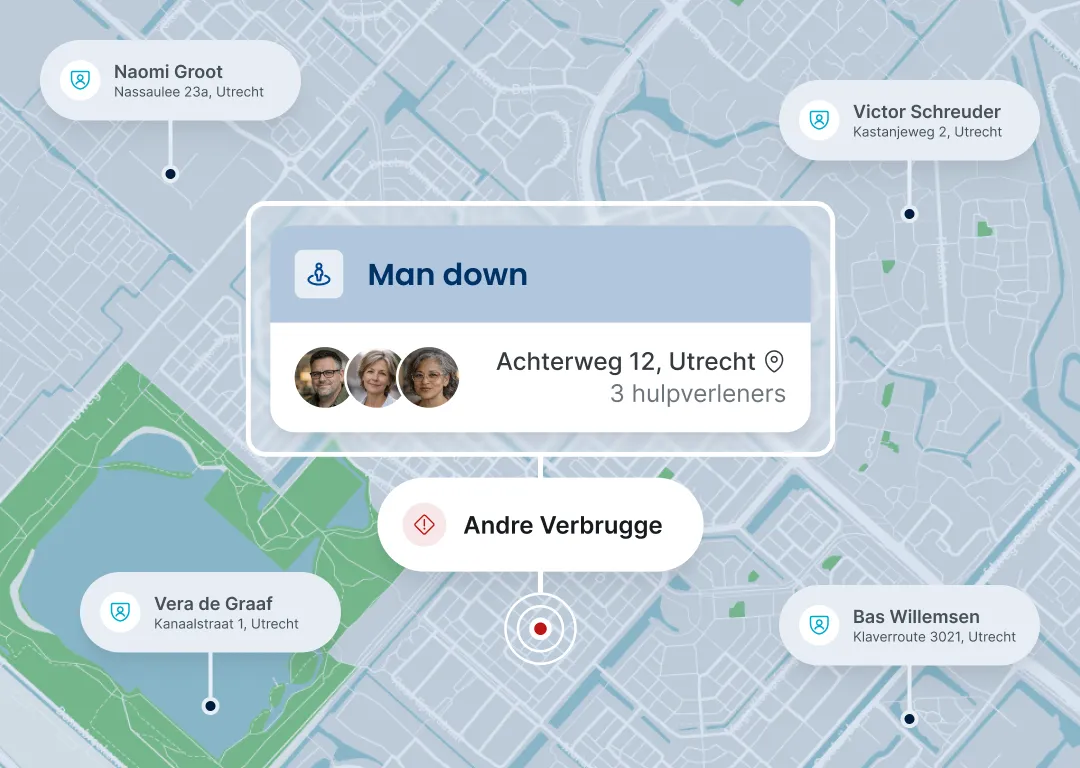
A modern man-down system continuously monitors the user’s status. As soon as an abnormal movement pattern is detected, a preset protocol is automatically triggered. This ensures that the appropriate people are notified immediately and that assistance can begin right away.
This significantly reduces response time and minimizes the impact of an incident.
What is man-down detection?
Man-down detection is a technology that automatically recognizes when an employee may be in distress. This happens without the employee having to trigger an alarm themselves. The software continuously analyzes various sensor data. Examples include:
 sudden dropsprolonged immobilityan unusual postureunexpected impactlack of activity
When multiple signals indicate an emergency, an alarm procedure is triggered automatically. This allows colleagues or FAFS team members to respond much more quickly than if someone were to be found only after the fact.
How does a man-down system work?
Modern man-down systems combine multiple technologies to reliably detect an incident. This helps minimize false alarms while ensuring that genuine emergencies are detected more quickly.
Motion Sensors
Acceleration sensors detect sudden changes in speed, such as a hard fall.
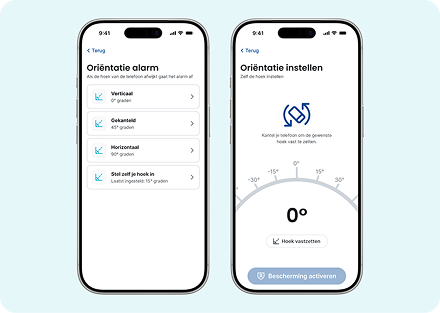
Gyroscopes
These measure changes in the body’s posture and rotation.
Tilt Detection
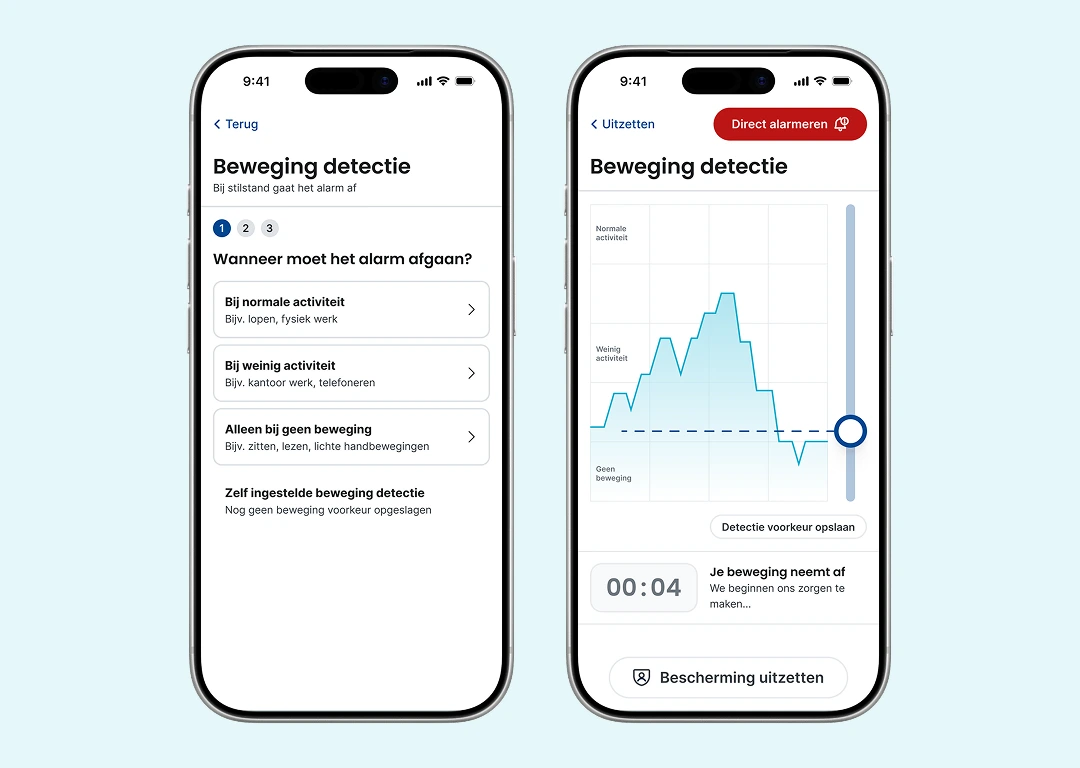
If someone lies in an unnatural position for an extended period of time, this may indicate that they are unconscious.
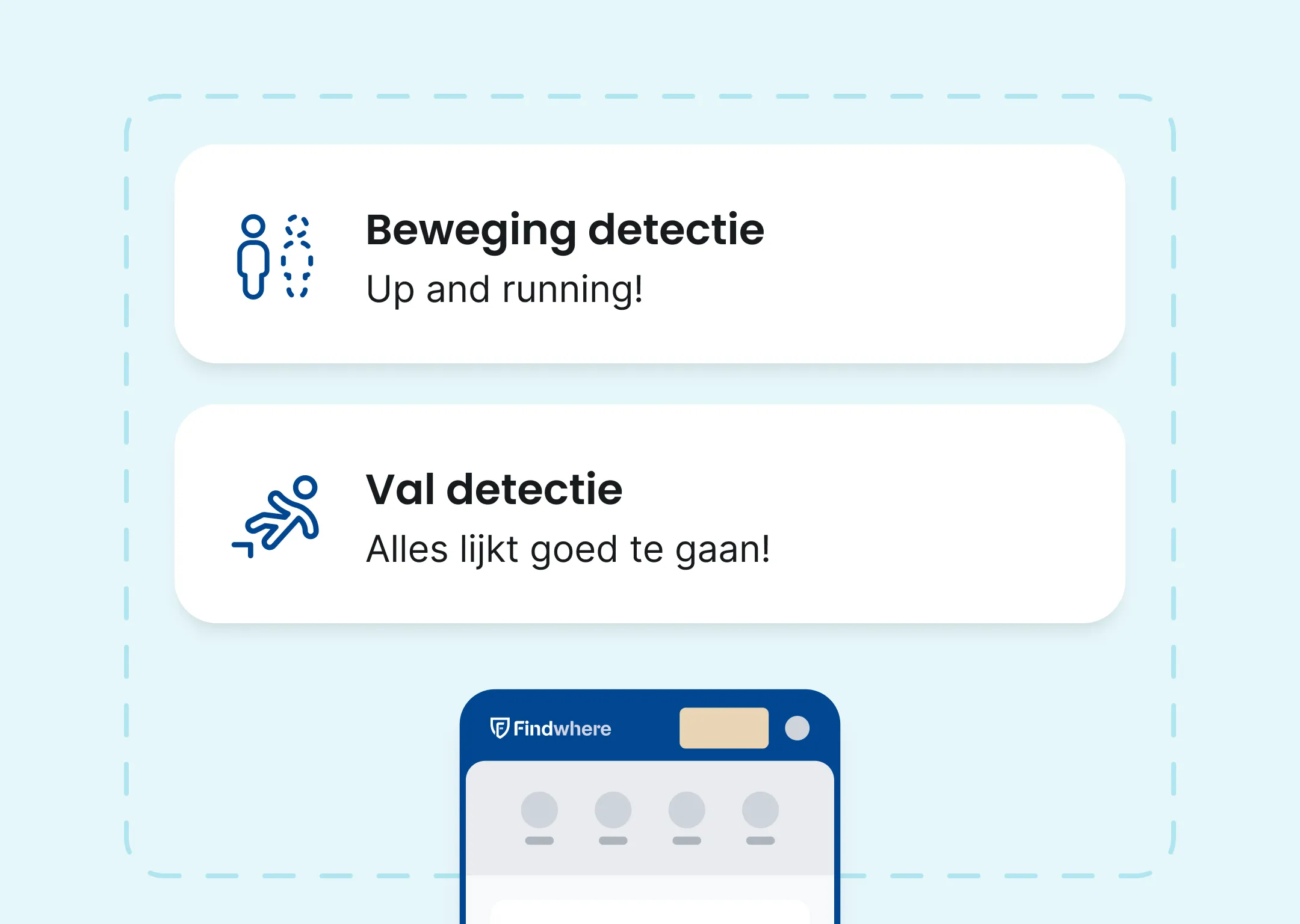
Immobility
If a user remains completely inactive for a set period of time, the system automatically triggers a warning.
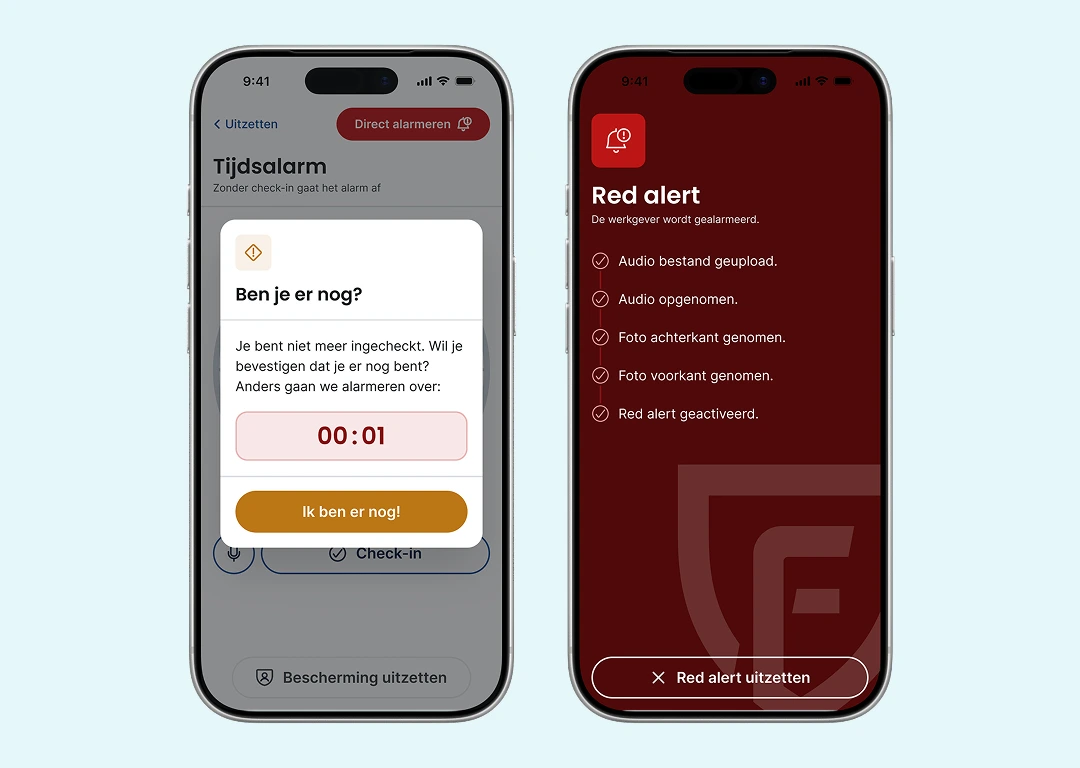
Emergency Call
In addition to automatic detection, an emergency button or app is always available for situations in which the employee can still raise the alarm on their own.
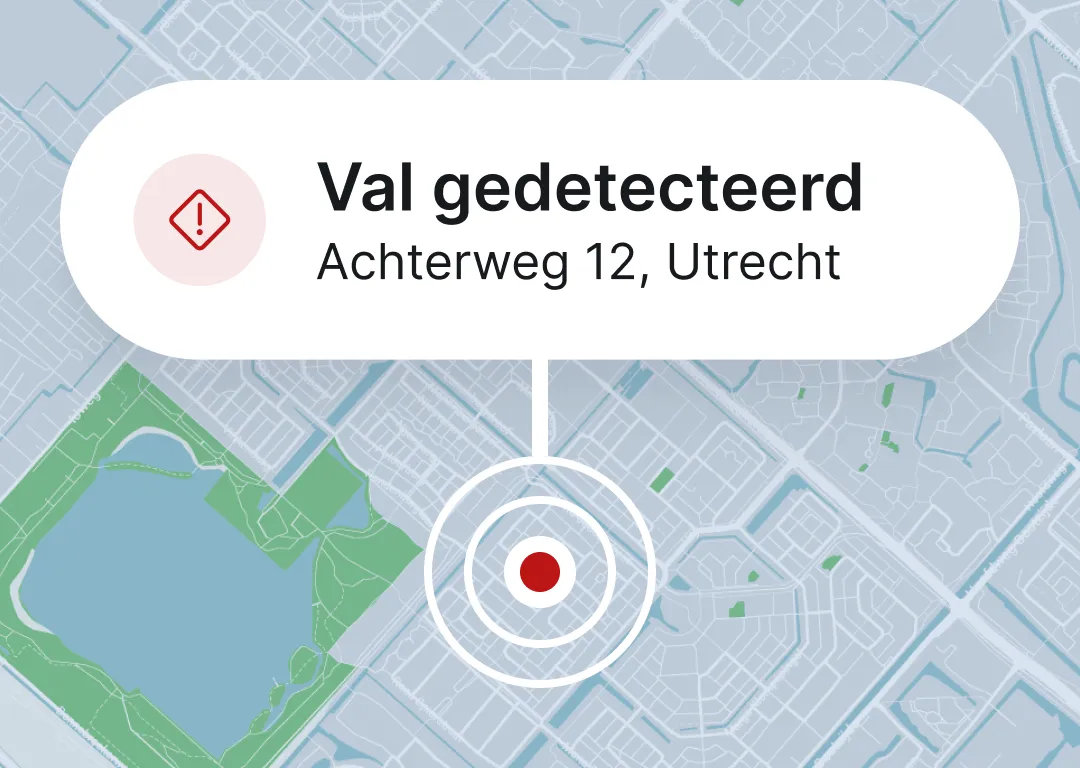
Location Determination
Depending on the environment, technologies such as the following are used:
GPS, Wi-Fi positioning, Bluetooth Low Energy (BLE), geofencing, and IoT sensors
This allows emergency responders to know immediately where the employee is located.
GPS, Wi-Fi positioning, Bluetooth Low Energy (BLE), geofencing, and IoT sensors
This allows emergency responders to know immediately where the employee is located.
What kinds of situations can man-down detection identify?
Automatic detection has been developed for a wide range of emergency situations.
Examples include:
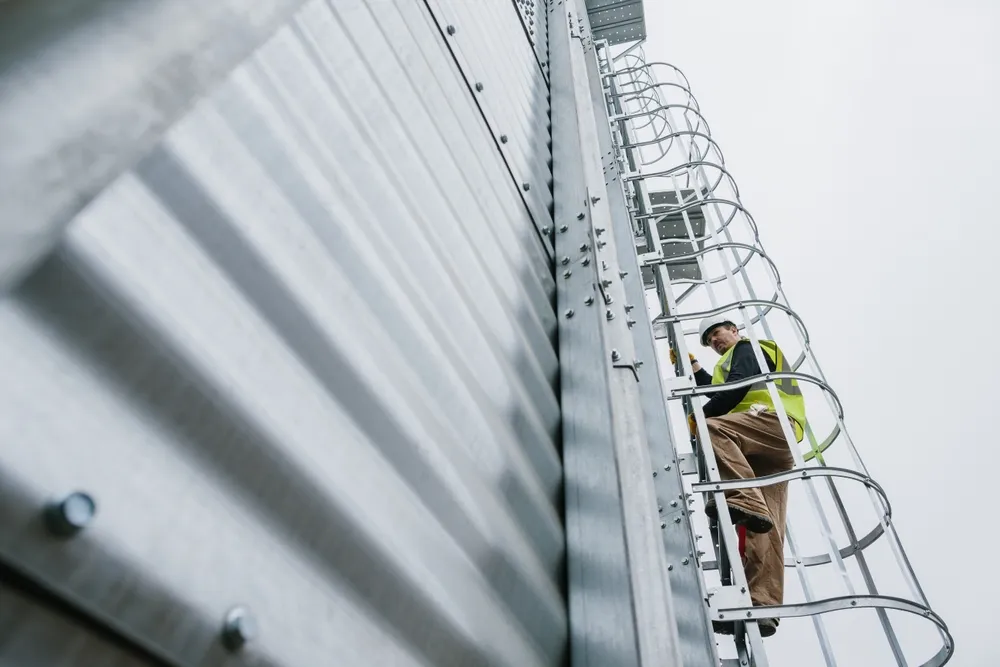
a fall from a heightan accident while working aloneto lose consciousnessan employee who is no longer respondingAggression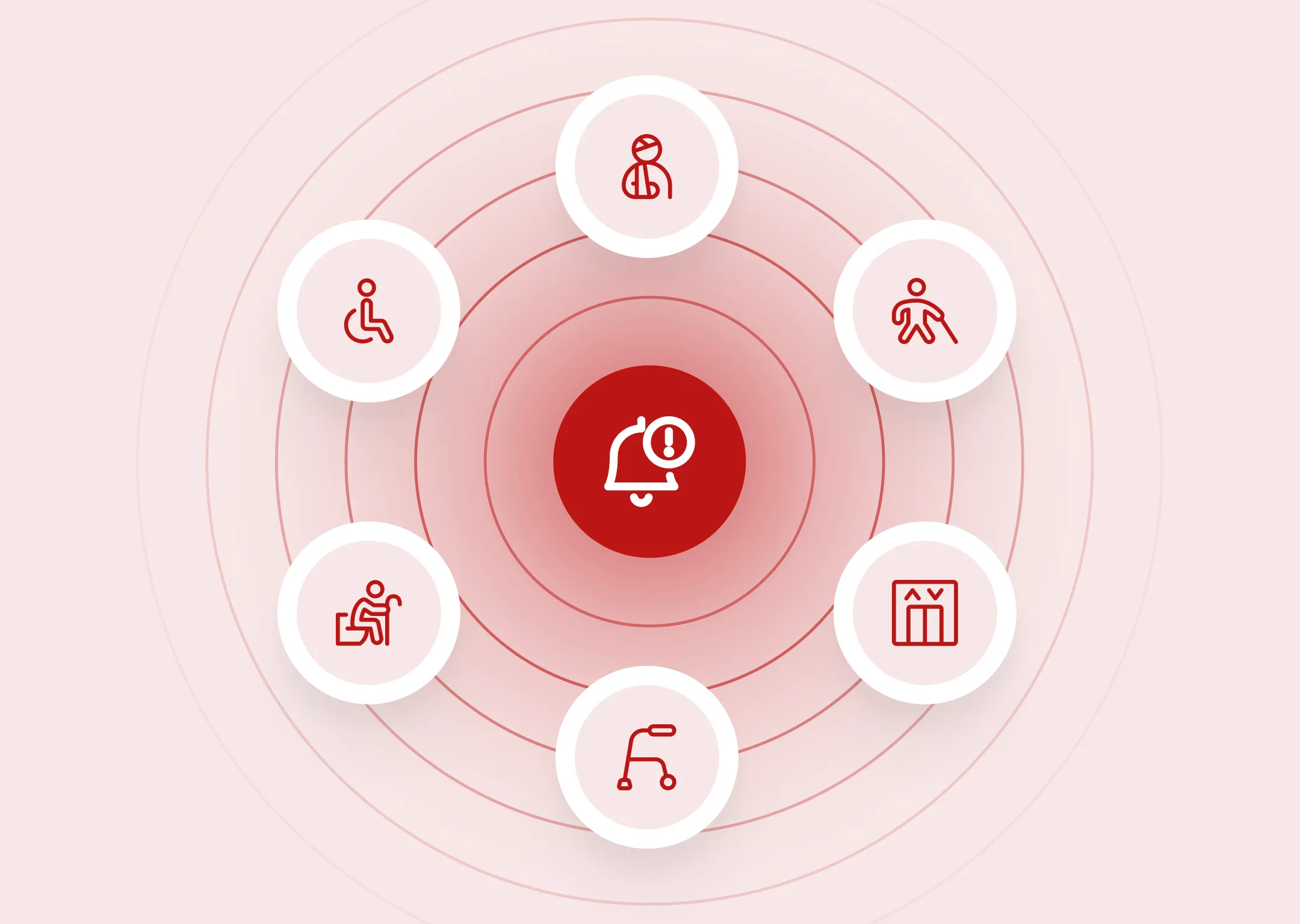
For which organizations is man-down detection suitable?
Virtually every organization in which employees work alone or in dispersed locations can benefit from automated personal security.
Industry
Operators regularly work alone among machines or equipment.
Operators regularly work alone among machines or equipment.
Construction
Construction sites involve increased risks such as falls, collapses, or being trapped.
Construction sites involve increased risks such as falls, collapses, or being trapped.
Logistics
Warehouse workers are often out of direct sight of their coworkers.
Warehouse workers are often out of direct sight of their coworkers.
Energy
Technicians work in remote locations where immediate assistance is not always available.
Technicians work in remote locations where immediate assistance is not always available.
Healthcare
In the healthcare sector, too, employees regularly work alone during evening or night shifts.
In the healthcare sector, too, employees regularly work alone during evening or night shifts.
Government
Enforcement officers, field staff, and supervisors often work independently in public spaces.
Enforcement officers, field staff, and supervisors often work independently in public spaces.
Education
Technical staff and facilities personnel are often alone in buildings.
Technical staff and facilities personnel are often alone in buildings.

Man-down Detection and the Occupational Safety and Health Act
Employers are responsible for providing a safe work environment. When employees work alone, this poses additional risks.
A thorough Risk Inventory and Evaluation (RI&E) identifies these risks. Depending on the nature of the work, additional safety measures may be necessary.
Man-down detection helps organizations respond more quickly to incidents and thereby supports safety policies regarding lone workers.
The system does not replace FAFS procedures, but it does serve as an important supplement to existing FAFS processes.
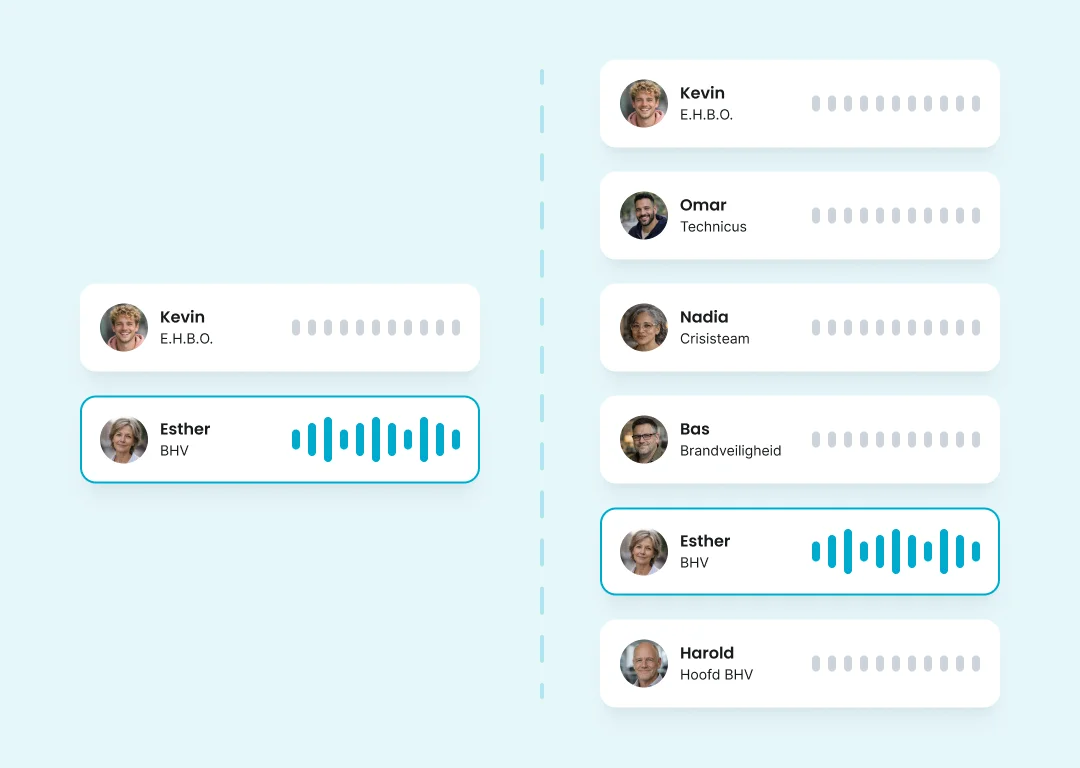
Smartphone or separate hardware?
Many organizations are torn between choosing a smartphone app or a standalone man-down detector.
A smartphone offers a great deal of flexibility and is easy to deploy. Hardware, on the other hand, is often more rugged and specifically designed for harsh working conditions.
Which solution is best depends on several factors:
work environmentrisk of explosionaccessibilitylocation determinationpersonal protective equipmentdesired accuracyMore and more organizations are choosing Findwhere’s lone worker protection
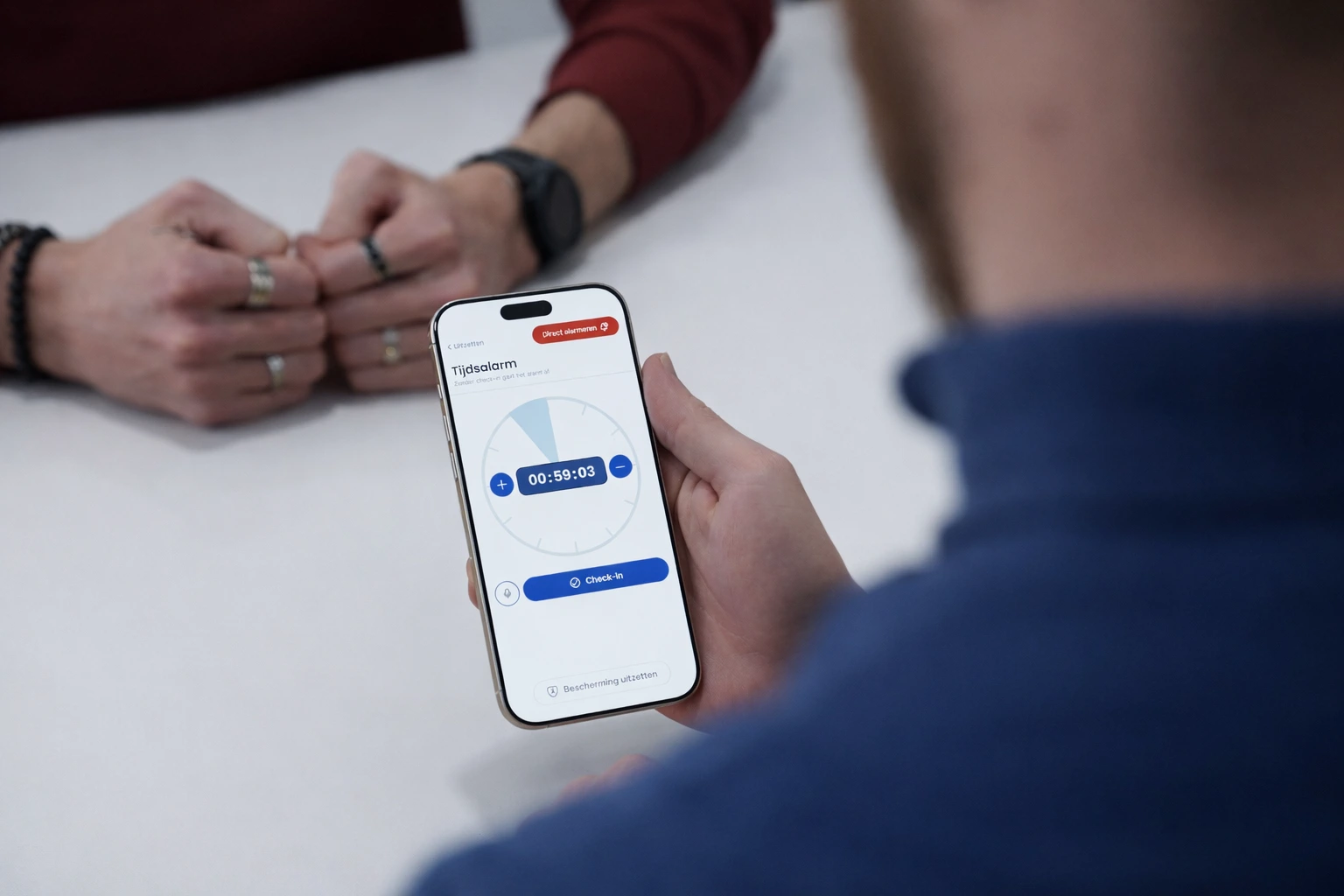

Why organizations choose Findwhere
More and more organizations are choosing Findwhere because security requires a reliable and forward-looking approach.
With Findwhere, you’ll enjoy:
An advanced and user-friendly platformFlexible structure for every organizationFast and Secure ImplementationScalability from a single location to multiple locationsSeamless integrations with existing systemsContinuous innovation and further developmentVeelgestelde vragen
Answers to Your Questions
What is man-down detection?
Man-down detection is a technology that automatically detects when an employee may need assistance due to a fall, lack of movement, or an abnormal body posture.
Is a standard emergency button sufficient?
No. An emergency button only works if an employee is still able to press it themselves. Automatic detection provides additional safety when that is no longer possible. See “Emergency Button.”
Does a man-down system also work inside buildings?
Yes. Modern systems combine GPS with technologies such as Wi-Fi, BLE, and other forms of indoor positioning.
Is man-down detection required?
The law does not always require a specific system. However, employers are responsible for implementing appropriate safety measures based on the RI&E and the risks within their organization. Systems such as Findwhere help keep your organization compliant and your employees safe.
Do you have any questions?
Our specialist is here to help you.


See Findwhere in action
Trusted by
