
Alone, but not invisible
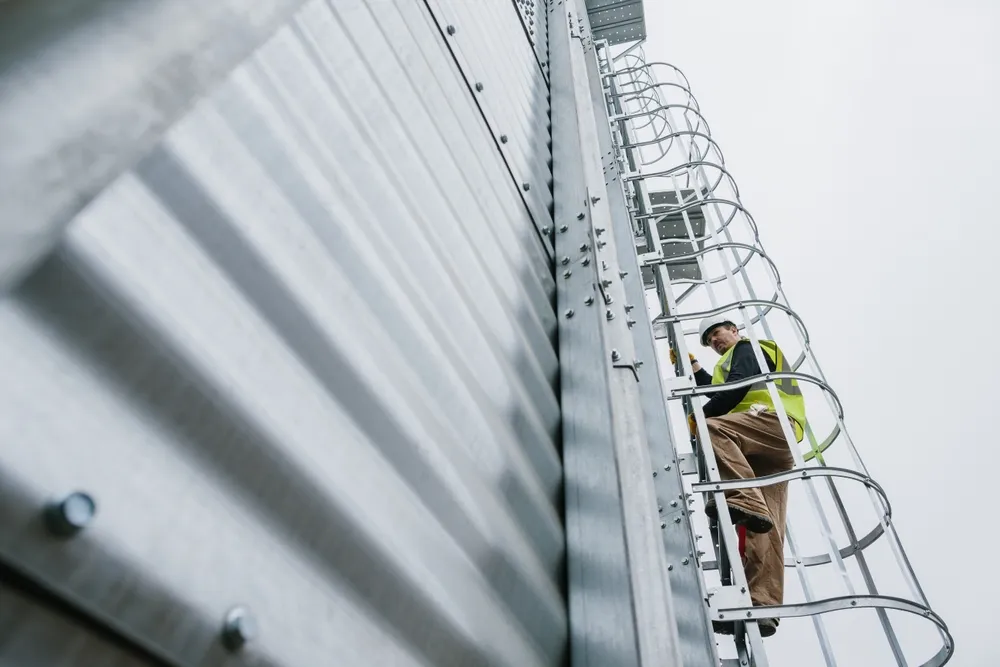
Lone workers exist in virtually every organization: the security guard on night shift, the janitor in the annex, the maintenance technician on site. Yet they are far from always visible to colleagues or the central station. In an incident, every second counts – and without insight, things can go crucially wrong. Facility managers want control, but often lack overview or simply do not know who is working alone at what time. That is precisely what makes lone workers vulnerable.
From spreadsheet to real-time insight
Traditionally, lone workers’ work was tracked with spreadsheets or reports that employees had to submit themselves. That takes time and makes monitoring error-prone. Fortunately, modern technology makes it easier to know at any time whether an employee is safe.
Digital check-ins, schedules, automatic location tracking and geofencing allow organizations to keep better track of occupancy and risk. Systems can also automatically signal anomalies, such as when someone doesn’t move for too long or leaves a preset zone. No manual monitoring, but up-to-date information on which you can act immediately.
More overview and control
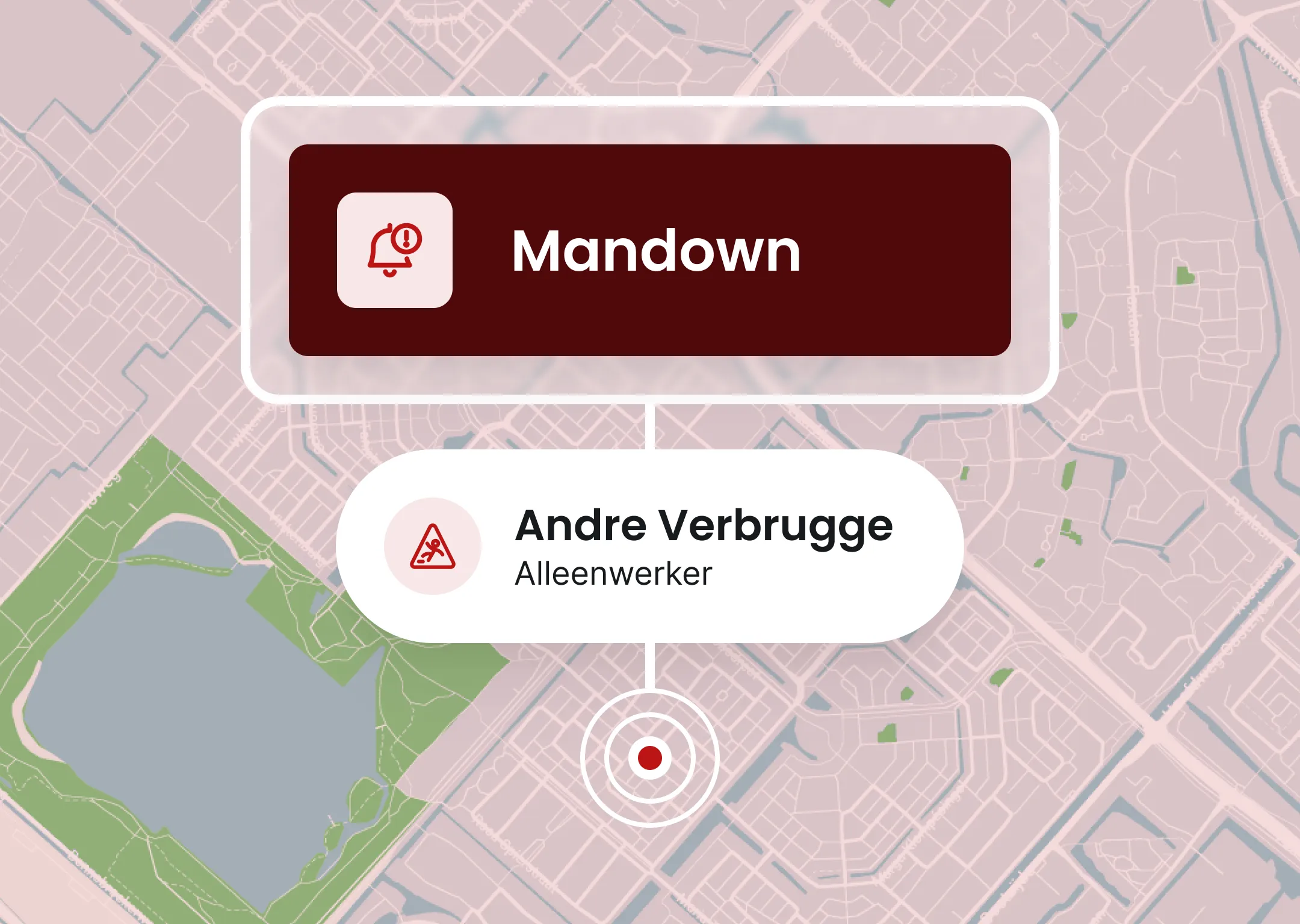
The goal of lone-worker monitoring is simple: to ensure that someone does not get into trouble undetected. That includes making information available quickly, reliably and without complicated systems. A well-designed system gives managers and company emergency response personnel insight in one place:
- Waar alleenwerkers zich bevinden
- Of er een afwijking of alarm is
- Of zij actief zijn en volgens planning werken
- Of er opvolging nodig is
Accountability and improvement
A safe work environment does not stop at the detection of an incident. Organizations increasingly have a duty to demonstrate that they are taking appropriate measures for lone workers – towards insurers, regulators and their own safety policies. By realizing your corporate safety within one platform, you save a lot of administrative work and everything is fully automated.
Reports also provide insights into certain work processes: where do risks occur more often, when is someone structurally alone for a long time, and which situations call for extra prevention?
How do you organize lone worker security without complexity?
The challenge for many organizations is to provide protection without requiring employees to perform additional actions. Especially with lone workers, ease of use is essential: the system must work without anyone having to consciously interact with it.
Technology today offers several options for this: think of automatic fall detection (man-down), periodic check-ins, an emergency button on phone or paired device and direct alarms to a central or remote alarm center (PAC).
A practical solution for lone workers
For organizations that want to protect their lone workers without bringing complex systems in-house, there are solutions today that are easy to deploy.
Findwhere’s lone worker module is in line with this.
It offers features such as automatic man-down detection, a user-friendly app for lone workers, and the ability to link hardware emergency buttons to a PAC or internal monitoring center. This gives real-time insight as well as immediate follow-up when needed – without additional ballast for employees.